Being accused of voyeurism or upskirting is a serious matter under UK law. These sexual offences, governed by the Sexual Offences Act 2003 and the Voyeurism (Offences) Act 2019, can lead to criminal charges, Crown Court proceedings and potential notification requirements on the Sex Offenders Register. If you are under investigation or facing police interviews, obtaining early expert legal advice is essential to protect your rights and ensure the allegation is scrutinised correctly from the outset.
Voyeurism and upskirting are serious sexual offences under UK law. Being under investigation for voyeurism or charged with upskirting offences can lead to Crown Court proceedings, imprisonment and notification requirements on the Sex Offenders Register.
Allegations of voyeurism and upskirting frequently involve digital evidence recovered from a mobile phone, public transport CCTV, or recordings taken beneath a person’s clothing. Even where there is no physical contact, the criminal justice system treats these cases as specific sexual offence charges with significant reputational consequences.
At Eventum Legal, our specialist lawyers provide expert defence representation at every stage, from voluntary interviews and police interviews through to Magistrates’ Court and Crown Court trials. Early legal advice is essential in such cases.
Voyeurism is a criminal offence under section 67 of the Sexual Offences Act 2003. The offence criminalises offenders who observe another person doing a private act without that person’s consent and without a reasonable belief in consent, for the purpose of obtaining sexual gratification.
Operating equipment, including a mobile phone, to observe a private act also constitutes voyeurism. A private act may involve sexual activities or exposure of genitals, buttocks or underwear where there is a reasonable expectation of privacy.
The prosecution must prove beyond a reasonable doubt that the defendant acted for sexual gratification and without consent. The absence of a reasonable belief in consent is central to the offence.
In some cases, allegations may involve attempted voyeurism or related common law offences such as outraging public decency, depending on the specific circumstances.
We want to provide the perfect solution to your case. Our lawyers will put into place a clear way forwards for you.
The Voyeurism (Offences) Act 2019 created a specific offence of upskirting by inserting section 67A into the Sexual Offences Act 2003.
This section criminalises operating equipment beneath a person’s clothing without consent, with the intention of viewing or recording genitals, buttocks or underwear, in circumstances where they would not otherwise be visible. The offence applies where the purpose is obtaining sexual gratification or causing humiliation, distress or alarm.
Upskirting offences frequently arise in crowded public spaces, including public transport, shopping centres and other locations. Individuals wearing skirts or similar clothing may be targeted by using a mobile phone beneath the garment to capture an image.
No physical contact is required. The act of recording or attempting to record is sufficient to constitute the upskirting offence.
The Voyeurism Offences Act 2019 reflects Parliament’s intention to criminalise such conduct clearly and directly under UK law.
This section criminalises offenders who operate equipment (irrespective as to whether an image is recorded) under another person’s clothing (without that person’s consent or a reasonable belief in their consent) with the intention of viewing, or enabling another person to view, their genitals or buttocks (with or without underwear), in circumstances where the genitals, buttocks or underwear would not otherwise be visible, where the purpose is to obtain sexual gratification or to cause humiliation, distress or alarm.
This section criminalises offenders who record an image beneath the clothing of another person’s clothing (without that person’s consent or a reasonable belief in their consent) with the intention of viewing, or enabling another person to view, their genitals or buttocks (with or without underwear), in circumstances where the genitals, buttocks or underwear would not otherwise be visible.
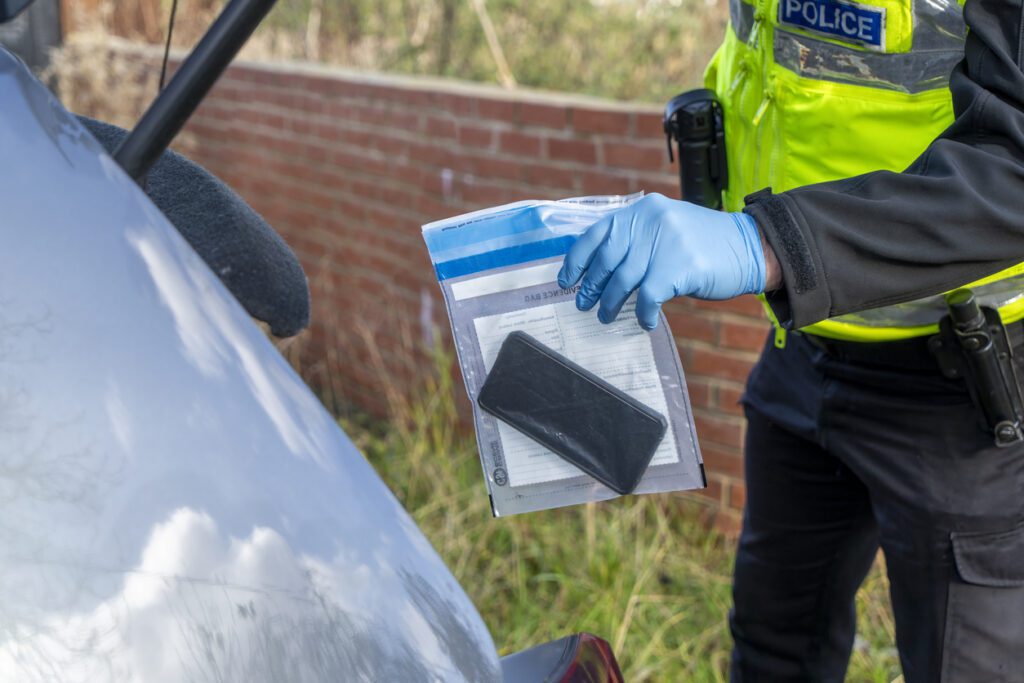
Voyeurism and upskirting allegations are investigated as sexual offences. Police routinely seize mobile phones and digital devices to search for indecent images, multiple victims, distribution of images or related sexual offences.
The investigation stage can involve lengthy forensic analysis of digital evidence. Prosecutors must decide whether there is sufficient evidence and whether prosecution is in the public interest.
If you are invited to attend a voluntary interview or are arrested for a police interview, expert legal advice at an early stage is essential. Statements made during police questioning can significantly influence whether the Crown Prosecution Service authorises charges.
Our criminal lawyers provide expert defence from the outset, ensuring that your legal rights are protected throughout the legal process.
Have you been searching for sentencing guidelines for voyeurism? Why not speak to an expert like our team at Eventum Legal? Voyeurism and upskirting offences are either-way offences. Less severe cases may be heard in the Magistrates’ Court, while more serious cases proceed to the Crown Court.
The maximum sentence for voyeurism and upskirting is up to two years’ imprisonment. However, sentencing guidelines require courts to consider aggravating features such as multiple victims, distribution of images, previous convictions, attempts to conceal evidence, and significant distress caused to the victim.
Mitigating factors may include a lack of prior convictions, remorse, young age, mental disorder, immaturity, or other mitigating circumstances.
A conviction may also result in notification requirements under the Sexual Offences Act 2003, placing the defendant on the Sex Offenders Register. Registration can impact employment, travel, relationships and prospects.
In severe cases, particularly where indecent images are involved, or where there are multiple victims, the court may impose a custodial sentence.
The Crown Prosecution Service must consider both evidential sufficiency and public interest before bringing sexual offence charges.
Not every allegation of voyeurism or attempted voyeurism meets the legal threshold required for conviction. The prosecution must establish that there was no consent, no reasonable belief in consent, and that the defendant acted for sexual gratification or to cause humiliation, distress or alarm.
The reasonable person test and all the circumstances of the case must be scrutinised. In some cases, it may be possible to demonstrate that the incident does not meet the statutory definition of the specific offence.
Each case depends heavily on its particular facts, digital evidence, and the surrounding context.
As specialist criminal lawyers experienced in defending voyeurism allegations and upskirting offences, we understand how challenging and embarrassing such cases can be.
We provide expert defence at every stage, from investigation and police interviews through to Crown Court proceedings. Our legal team scrutinises digital evidence, challenges weaknesses in the prosecution case and ensures that mitigating factors are presented correctly in accordance with sentencing guidelines.
We recognise that even an allegation can cause significant distress. Our approach combines technical expertise in sexual offences with discretion and strategic planning to protect your rights and future.
If you are accused of voyeurism and upskirting, obtaining early legal advice from specialist solicitors can significantly influence the outcome of your case.
Contact Eventum Legal today for confidential, expert legal representation.