
What Happens When You Are Charged With Sexual Assault and Rape?
After a lengthy police investigation Russell Brand has been charged with rape and sexual assault with offences alleged to have been committed between 1999-2005. The charges will be made under both the Sexual Offences Act 1956 and Sexual Offences Act 2003 due to when they are said to have occurred. Mr Brand is due to appear at the Magistrates Court on 2nd May 2025. The charges include:
- Rape, contrary to section 1 of the Sexual Offences Act 1956
- Indecent Assault contrary to section 14 Sexual offences Act 1956
- Oral Rape contrary to section 1 of the Sexual Offences Act 2003
- Sexual Assault contrary to section 3 of the Sexual Offence Act 2003
Each day police forces across the country are investigating and charging individuals of offences which arise from recent allegations and historic sexual offence allegations, at Eventum Legal we represent the accused at all stages of the criminal justice process for recent and historic sexual offences, here is what to expect when you are charged with rape or sexual assault.
Charged With a Sexual Offence
The Crown Prosecution Service will determine whether or not a person is charged with such serious sexual offence allegations, and if they are to be charged which offences apply following their review of the evidence gathered by the police. In this particular case the CPS will have applied the law from the 1956 Sexual offences Act and the Sexual Offences Act 2003, this is because of when some of the offences are alleged to have been committed. Historic offences are usually charged under the 1956 Act, this applies where the offence happened prior to 1st may 2004.
See our Charging Guidance page here to learn more on how the CPS make charging decisions.
Will I Remain On Bail If I Am Charged?
Yes, if you have been on police bail during the investigation like Russell Brand has, then there is no reason for the court to deny bail whilst you await trial unless you have breached, or are risk of absconding. It is extremely rare for the accused to be remanded following charges when they have been on police bail up until that point.
Going To Court
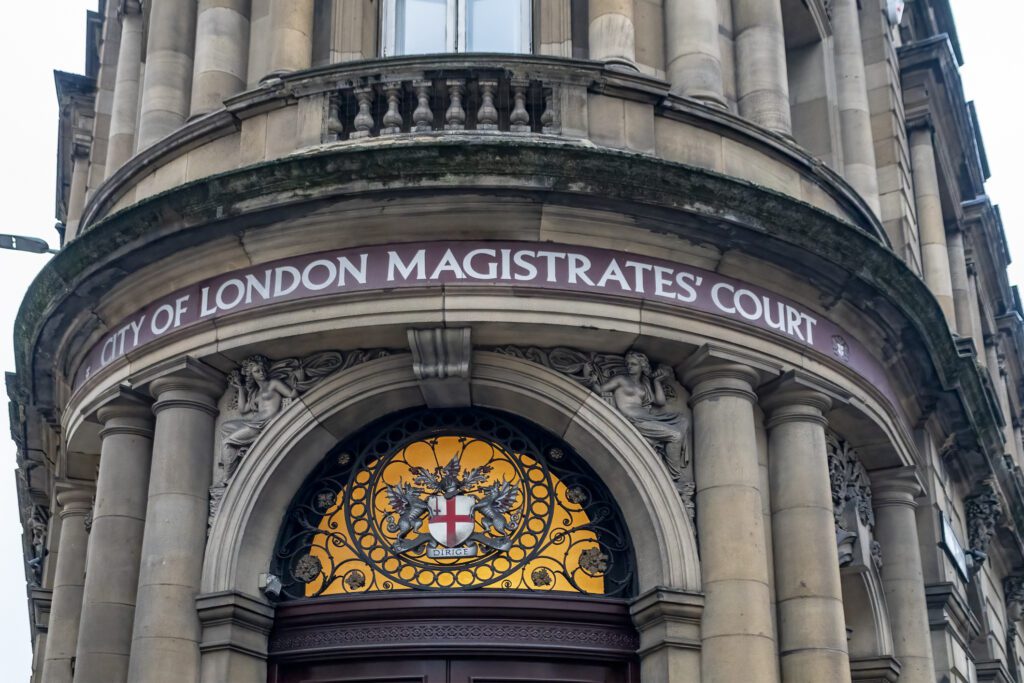
When charges are authorised the accused will be given a notice of charges which will provide them with a time and date to attend the Magistrates Court. Attending the Magistrates Court is the first step in court proceedings, and no matter what offence a person is charged with their case will always begin at the Magistrates Court. At the Magistrates Court the accused is expected to enter their plea, in some circumstances a plea may not be entered and the case will be sent to the Crown Court where a plea hearing will take place approximately 28 days later.
In the case of Russell Brand who is charged with the most serious sexual offences his case will be sent to the Crown Court, where it will be for a jury to decide his innocence of guilt after hearing the evidence. Rape is what the legal world refers to as an indictable only offence, meaning the Magistrates have no power to hear a trial for this offence and in all cases the matter will go to the Crown Court.
Going to The Crown Court
Most sexual offences will be heard in the Crown Court, although the thought of having your case heard by the Crown Court is daunting there are many advantages of this mode of trial to a defendant in a sexual offence case.
Russell Brand will be required to attend the Crown Court for the first time approximately 28 days after his Magistrates Court appearance, this will be for his Plea and Trial Preparation Hearing. This is a short hearing where he will be expected to enter his plea to the allegations (guilty or not guilty) again, and where the judge will set a date for trial. In addition, dates will be set in the form of a timetable for the defence and prosecution to work towards when preparing for trial, these dates are referred to as stage dates.
In such a high profile case the judge is certainly going to set strict directions which may relate to the reporting of the allegations, particularly in relation to the complainant’s identity and the protection of this.
What Happens After a PTPH?
When the PTPH has taken place the defence team will continue their preparation of the case for trial. Although it should always be the aim of the defence team to have charges dropped as soon as possible, this is not always realistic and therefore, it must always be assumed that the case will reach trial.
Preparation for trial will include a very thorough review of all evidence served by the CPS and identifying areas where this can be scrutinised and undermined. In sexual offence cases the evidence largely comes down to one persons word against another but with careful examination and a no stone unturned approach applied there is always something that can be found to discredit a false allegation. Due to Russel Brands celebrity status, it is likely his movements and locations are well documented which may be helpful to his defence team.
When preparing a sexual offence case for trial there may also be the requirement for expert evidence. This can be in the form of digital forensics or medical forensics. In historic abuse cases the need for forensic examinations of mobile phones and or DNA evidence is not likely to apply but psychological or psychiatric evaluations can be of assistance. Therefore, considering the complaints and determining whether complainants have relevant medical or counselling records which may assist the defence can be beneficial to the accused.
Whilst preparing for trial the defence and the CPS will be in communication and evidence can be served throughout. This evidence is not necessarily evidence which supports the prosecution case, but which can also undermine the prosecution case and assist the defence. The CPS have a continuous duty of review in all criminal cases, and where evidence may come to light which brings into question whether there is likely to be a realistic prospect of conviction then the CPS may decide to offer no evidence, in effect discontinuing the case against the accused.
Getting to Trial
If the allegations against you reach trial then you will be expected to attend each day of the trial, and you will be bailed to go home at the end of each day.
A jury trial will consist of 12 members of the public determining the truthfulness of the evidence presented, and a judge whose responsibility it is to oversee the law and procedures. They will guide the jury in respect of the law and what the CPS must prove in order for them to convict the accused.
During the trial the evidence from both the prosecution an defence will be presented. The defendant does not have to give evidence at trial however, in rape and sexual assault cases it is expected that they will answer questions, put their version of events across to the court and defend their position.
Sentence Upon Conviction for Rape
The maximum sentence for rape is life imprisonment, however this level of sentence is reserved for the most serious cases. The sentence depend on many factors and your legal team would discuss the sentencing guidelines with you and where your case may fall within those.
If you are found guilty at the conclusion of your trial for a serious sexual offence you will be remanded into custody to await sentence, particularly in rape cases. The defence team may ask for reports to be conducted before the judge sentences you and this can assist in determining whether you should be classed as a dangerous offender. Rape is a serious and specified offence and therefore, the judge must decide whether the offender is dangerous by applying the Dangerousness Provisions in section 308 of the Sentencing Act 2020. Being classed as a dangerous offender could increase your time spent in prison, and therefore working with a forensic psychologist and your defence team can help to avoid this.
Charged With Rape, What Should I Do?
The first step you must take is seek expert legal advice, you cannot face court proceedings along and representation regardless of your plea is essential. Our all female legal team represent men accused of rape at all stages of proceedings, we provide a strong yet supportive approach to your defence and deploy the most excellent barristers and forensic experts to assist our clients, providing you with a strong defence team.
Our initial consultation is free of charge with no obligation on you to become our client. Thereon we charge a fixed fee giving you peace of mind throughout your case that you will not need to be worrying about mounting legal costs, and concentrate on what is important…proving your innocence!